Is a Sleep Mask Worth It? An Explainer Guide
Is a sleep mask worth it for better sleep? Research suggests sleep masks can improve sleep quality by blocking light. Get direct answers here.
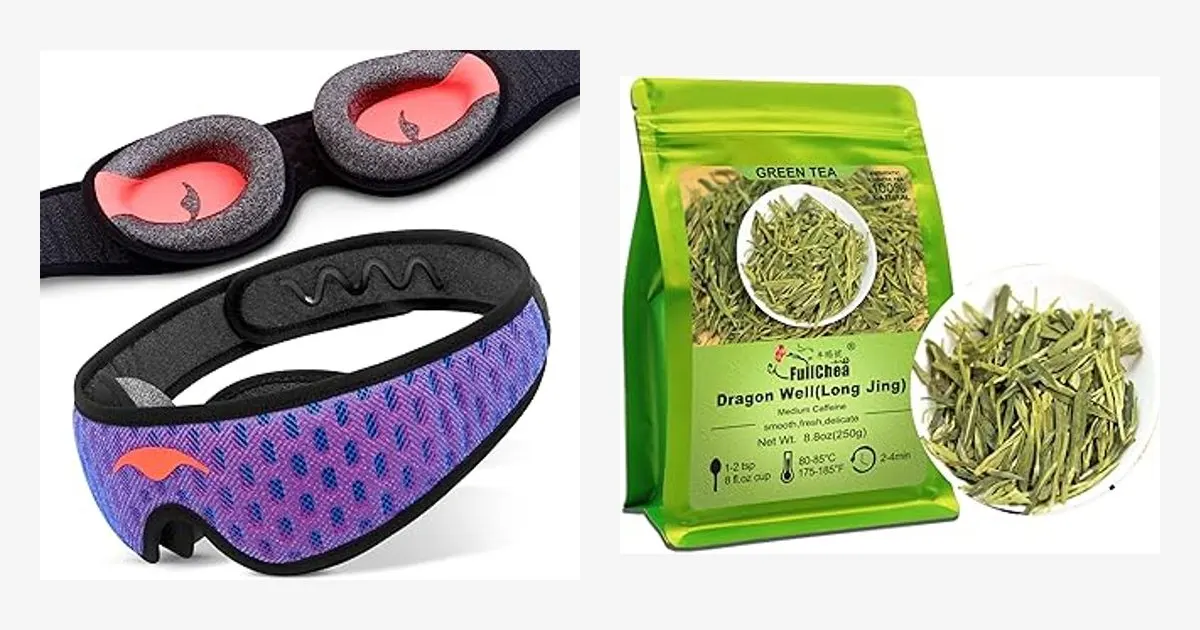
Is a Sleep Mask Worth It?
Yes, a sleep mask is worth it for many individuals seeking improved sleep quality, especially in environments with light exposure. A 2010 study published in Critical Care found that patients wearing eye masks reported better sleep quality and higher melatonin levels. Registered sleep specialists often recommend sleep masks as a simple, non-pharmacological aid.
How It Works
A sleep mask works by physically blocking ambient light from reaching the eyes. This darkness signals the brain to increase melatonin production, a hormone essential for regulating the sleep-wake cycle. Reduced light exposure helps maintain the body’s natural circadian rhythm. Even small amounts of light, like from a digital alarm clock, can disrupt sleep architecture.
Proven Benefits
- Improved Sleep Quality: Research suggests wearing a sleep mask can lead to deeper, more restorative sleep, according to a 2021 study in Environmental Health and Preventive Medicine. Participants reported less fragmented sleep.
- Increased Melatonin Levels: A study on ICU patients showed that eye masks helped maintain higher melatonin levels, promoting better sleep in a disruptive environment.
- Faster Sleep Onset: By creating an optimal dark environment, sleep masks may help individuals fall asleep more quickly, especially when traveling or in brightly lit rooms.
- Reduced Sleep Disturbances: External light sources, such as streetlights or electronic devices, are effectively blocked, minimizing awakenings during the night.
- Enhanced REM Sleep: Some studies indicate that complete darkness, facilitated by a mask, can increase the duration of REM sleep, which is crucial for memory consolidation.
What Science Actually Says
Scientific evidence largely supports the use of sleep masks for improving sleep quality, particularly in light-polluted settings. Multiple studies, including those on shift workers and hospital patients, demonstrate their effectiveness in promoting darkness and aiding melatonin production. While the benefits for healthy individuals in already dark rooms may be less pronounced, the consensus is that sleep masks offer a simple, low-risk intervention for better sleep. More research is needed to quantify long-term benefits across diverse populations.
Risks and Warnings
- Skin Irritation: Some individuals may experience mild skin irritation or acne from prolonged contact, especially with non-breathable materials.
- Eye Pressure: Masks that fit too tightly can exert pressure on the eyeballs, potentially causing discomfort or temporary blurred vision upon removal.
- Allergic Reactions: Certain materials, like synthetic fabrics or dyes, can trigger allergic reactions in sensitive individuals.
- Hygiene Issues: Infrequent cleaning can lead to bacterial buildup, increasing the risk of eye infections if the mask touches the eyes directly.
How to Do It Right
- Choose the Right Fit: Select a mask that completely blocks light without applying excessive pressure to the eyes or face; consider options like contoured masks. For more guidance, see our How To Choose Sleep Mask article.
- Opt for Breathable Materials: Look for masks made from natural, breathable fabrics like silk, cotton, or bamboo to minimize skin irritation.
- Clean Regularly: Wash your sleep mask every 3-5 days with mild soap and water to prevent bacterial buildup. Our How To Store Sleep Mask guide offers cleaning tips.
- Combine with Other Aids: For optimal sleep, use a sleep mask in conjunction with other sleep hygiene practices, such as a white noise machine or a weighted blanket.
- Introduce Gradually: If new to wearing a mask, start by wearing it for short periods before sleep to adjust to the sensation. Our Sleep Mask For Beginners Guide provides further tips.
Who Should Try It
- Shift Workers: Individuals working night shifts or needing to sleep during daylight hours benefit significantly from light blockage.
- Travelers: Those frequently flying or sleeping in unfamiliar, potentially bright hotel rooms can use masks to create a dark environment.
- Light-Sensitive Sleepers: People easily disturbed by even minimal light, such as from electronics or streetlights, find masks helpful.
Who Should Avoid It
- Individuals with Eye Infections: Wearing a mask can worsen or spread infections like conjunctivitis.
- People with Claustrophobia: Some individuals may feel uncomfortable or anxious with a mask covering their eyes.
- Those with Sensitive Skin Conditions: Individuals prone to severe acne or eczema around the eyes might experience aggravated symptoms.
FAQ
Q: Can a sleep mask cause eye wrinkles? A: A properly fitted, non-constricting sleep mask made from soft materials like silk is unlikely to cause wrinkles. Tight masks or rough fabrics might contribute to skin creasing over time.
Q: How often should I wash my sleep mask? A: It is recommended to wash your sleep mask every 3-5 days, or more frequently if you sweat a lot, to maintain hygiene and prevent skin issues.
Q: Will a sleep mask help with insomnia? A: While a sleep mask can create an optimal dark environment conducive to sleep, it is not a direct treatment for clinical insomnia. It can support better sleep hygiene, but consult a healthcare provider for persistent insomnia.
Q: Can I wear a sleep mask with contact lenses? A: It is generally safe to wear a sleep mask with contact lenses, but ensure the mask is not too tight and does not put pressure on your eyes. Remove contacts immediately if you experience discomfort.
Q: What is the best material for a sleep mask? A: Silk is often considered the best material due to its smooth texture, breathability, and gentle feel on the skin, reducing friction and irritation. Cotton and bamboo are also good, breathable options.