
Green Tea For Beginners Guide: Choosing Your First Brew
This green tea for beginners guide helps you choose your first brew by focusing on type, processing, and origin for a pleasant introduction.
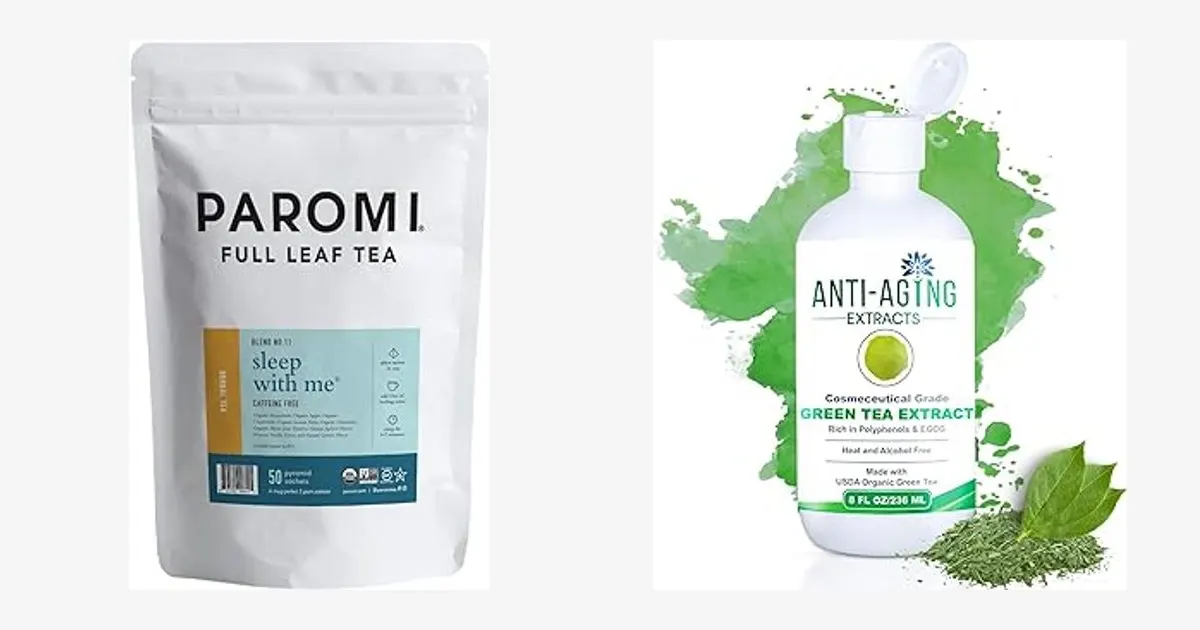
Green Tea For Beginners Guide
A green tea for beginners guide focuses on selecting mild, approachable varieties like Sencha, Bancha, or Dragonwell to ensure a pleasant first experience. Beginners should look for teas with clear processing details and reputable origins to guarantee quality. Understanding basic types helps new drinkers avoid overly bitter or complex flavors.
Tea Type
Beginners benefit from starting with less astringent green tea types. Japanese Sencha offers a balanced flavor profile, often described as grassy or oceanic. Chinese Dragonwell (Longjing) provides a nutty, sweet taste with a smooth finish. Bancha, another Japanese green tea, is a good everyday option with lower caffeine and a mild flavor. Avoid highly oxidized or very specific ceremonial grades initially.
Processing Method
Green tea processing determines its final flavor and aroma. Steamed Japanese green teas, like Sencha, have a fresh, sometimes vegetal character due to enzyme deactivation by steam. Pan-fired Chinese green teas, such as Dragonwell, exhibit a roasted or nutty profile from dry heat. Understanding this difference helps beginners predict taste. For instance, a lightly steamed Sencha will taste different from a heavily pan-fired Gunpowder green tea.
Origin and Region
The origin of green tea significantly impacts its flavor. Japanese green teas from Shizuoka or Uji are known for their distinct umami and fresh notes. Chinese green teas from Zhejiang province, like Dragonwell, often have a sweeter, more mellow taste. Specific regions cultivate unique tea plant varietals and employ traditional processing methods. A beginner can identify quality by looking for specific regional names on packaging.
Form (Loose Leaf vs. Tea Bags)
Loose leaf green tea offers a superior flavor experience because the leaves have more room to expand and release their full profile. Tea bags, especially those with fannings (dust), often contain lower quality tea and can produce a weaker or more bitter brew. For a true green tea for beginners guide experience, starting with loose leaf is recommended. A fine mesh infuser or teapot simplifies brewing loose leaf tea.
Size/Type Recommendation Table
| Need | Recommended Size/Type | Example Product |
|---|---|---|
| First mild introduction | Japanese Sencha (loose leaf) | Harney & Sons Japanese Sencha |
| Nutty, sweet profile | Chinese Dragonwell (loose leaf) | Tealyra Dragonwell |
| Everyday, lower caffeine | Japanese Bancha (loose leaf) | Ippodo Bancha |
| Convenient brewing | High-quality pyramid tea bags | Tazo Green Tea Bags |
| Exploring different flavors | Green tea sampler pack | Vahdam Green Tea Sampler |
Top 3 Picks
 Harney & Sons Japanese Sencha — Best for a classic, approachable Japanese green tea experience. Read full review → Check Price on Amazon →
- Tealyra Dragonwell Long Jing Green Tea — Best for a smooth, nutty Chinese green tea with minimal bitterness. Check Price on Amazon →
- Ippodo Bancha Green Tea — Best for a gentle, everyday green tea with lower caffeine content. Check Price on Amazon →
Common Mistakes to Avoid
- Using boiling water: Boiling water burns green tea leaves, resulting in a bitter taste; use water between 160-180°F (70-82°C).
- Over-steeping: Steeping green tea for too long extracts excessive tannins, making it astringent; limit steeping to 1-3 minutes.
- Buying low-quality tea bags: Many tea bags contain fannings which offer poor flavor compared to loose leaf.
- Storing improperly: Green tea absorbs odors; keep it in an airtight, opaque container away from light, heat, and moisture. Learn more about storage.
Who Should Skip This
- Individuals seeking very high caffeine content might prefer coffee.
- Those who dislike any vegetal or grassy notes in beverages.
- People with sensitivities to caffeine, even in lower doses.
What to Expect After Purchase
You will notice different flavor profiles and aromas with each green tea type. Experimenting with water temperature and steeping times helps you find your preferred brew. Proper storage keeps your green tea fresh for several months.
FAQ
Q: What is the best green tea for beginners guide? Sencha and Dragonwell are excellent choices for beginners due to their balanced and approachable flavor profiles.
Q: How do I brew green tea correctly? Use water heated to 160-180°F (70-82°C) and steep loose leaf green tea for 1-3 minutes. Find detailed brewing instructions here.
Q: Does green tea contain caffeine? Yes, green tea contains caffeine, but generally less than coffee, with specific types like Bancha having lower levels.
Q: Can I re-steep green tea leaves? Many high-quality green teas can be re-steeped 2-3 times, with subsequent infusions offering different flavor nuances.