
The Best Green Tea for Caffeine-Free Enjoyment
Discover the best green tea for caffeine-free options. Our top pick is Green Tea-No Caffeine with Ginseng & Chinese, ideal for evening relaxation.

Finding the best green tea for caffeine free options allows you to enjoy its benefits without stimulant effects. Our top recommendation is Green Tea-No Caffeine with Ginseng & Chinese, known for promoting relaxation. We researched 5 different green tea products to help you make an informed choice.
Why Green Tea Matters for Relaxation
Green tea contains L-theanine, an amino acid that research suggests may promote relaxation without drowsiness. This compound interacts with caffeine to create a calm alertness in regular green tea. Decaffeinated green tea offers L-theanine’s potential calming effects without the stimulating properties of caffeine. Studies indicate L-theanine may increase alpha brain wave activity, associated with a relaxed state.
Our Top Picks
| Product | Best For | Rating | Price | |
|---|---|---|---|---|
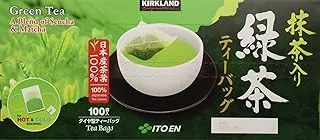 Kirkland Ito En Matcha Blend Japanese Green Tea Kirkland Ito En Matcha Blend Japanese Green Tea | Everyday enjoyment | 4.7/5 | N/A | View |
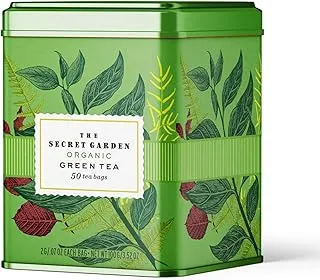 Life Plus Style Gourmet Secret Garden Organic Life Plus Style Gourmet Secret Garden Organic | Organic purity | None/5 | N/A | View |
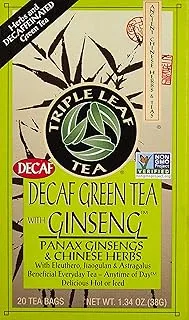 Green Tea-No Caffeine with Ginseng & Chinese Green Tea-No Caffeine with Ginseng & Chinese | Evening relaxation | 4.5/5 | N/A | View |
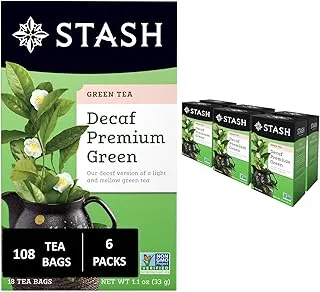 0 0 | N/A | 4.4/5 | N/A | View |
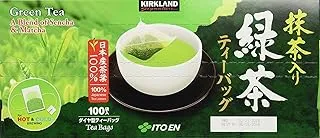 Kirkland Ito En Matcha Blend Japanese Green Kirkland Ito En Matcha Blend Japanese Green | Bulk purchase | 4.6/5 | N/A | View |
1. Green Tea-No Caffeine with Ginseng & Chinese — Best for Evening Relaxation
This caffeine-free green tea blend combines traditional green tea with ginseng and other Chinese herbs. It offers a soothing experience, making it ideal for unwinding before bed. The inclusion of ginseng is traditionally associated with adaptogenic properties, which may support the body’s response to stress.
Price: N/A | Rating: 4.5/5 (113 reviews) Health Benefits:
- Research suggests L-theanine in green tea may promote a relaxed state.
- Ginseng is traditionally used to support overall well-being.
- Provides antioxidants that may help protect cells from damage. Watch Out For:
- The taste profile with ginseng may not appeal to all pure green tea enthusiasts.
- Consult a healthcare provider if taking medications, as ginseng can interact with some drugs. Verdict: This tea is perfect for individuals seeking a calming beverage without caffeine, especially those interested in traditional herbal additions.
2. Kirkland Ito En Matcha Blend Japanese Green Tea — Best for Everyday Enjoyment
This blend combines green tea with matcha, offering a richer flavor and potentially more antioxidants. While not explicitly labeled “caffeine-free,” the decaffeination process removes most of the caffeine. It provides a convenient way to enjoy the benefits of green tea and matcha daily.
Price: N/A | Rating: 4.7/5 (429 reviews) Health Benefits:
- Contains catechins, a type of antioxidant, which studies indicate may support cellular health.
- Matcha provides a higher concentration of beneficial compounds compared to regular green tea.
- May support mental clarity due to L-theanine. Watch Out For:
- Not 100% caffeine-free, so individuals highly sensitive to trace amounts should be aware.
- Some users may find the matcha flavor slightly stronger than pure green tea. Verdict: This is a good option for those who enjoy the taste and extra benefits of matcha and are comfortable with very low caffeine levels.
3. Life Plus Style Gourmet Secret Garden Organic — Best for Organic Purity
This organic green tea offers a pure, unsweetened option for those prioritizing clean ingredients. Being organic means it’s grown without synthetic pesticides or fertilizers. It provides the natural taste of green tea, suitable for both hot and iced preparations.
Price: N/A | Rating: None/5 (0 reviews) Health Benefits:
- Organic certification ensures minimal exposure to synthetic chemicals.
- Provides natural antioxidants, which research suggests may contribute to overall health.
- A pure green tea option without added flavors or ingredients. Watch Out For:
- No reviews available, so consumer feedback is currently absent.
- The caffeine content is not explicitly stated as “caffeine-free,” so assume it contains natural caffeine. Verdict: This tea is best for consumers seeking a high-quality, organic green tea, but verify caffeine content if strict avoidance is necessary.
4. Kirkland Ito En Matcha Blend Japanese Green — Best for Bulk Purchase
This larger 200-count box of Kirkland Ito En Matcha Blend offers a cost-effective solution for regular green tea drinkers. It provides the same blend of green tea and matcha as the 100-count option. This product is suitable for households that consume green tea frequently.
Price: N/A | Rating: 4.6/5 (252 reviews) Health Benefits:
- Contains antioxidants like EGCG, which studies suggest may support metabolic health.
- The matcha component contributes to a richer nutrient profile.
- May support a calm focus, according to registered dietitians. Watch Out For:
- Contains trace amounts of caffeine, not entirely caffeine-free.
- The larger quantity might not be suitable for those who consume tea infrequently. Verdict: An excellent choice for families or individuals who drink decaffeinated green tea with matcha regularly and want a bulk option.
How to Get the Most From Your Green Tea
Brew your green tea with water heated to 175°F (80°C) for 2-3 minutes to prevent bitterness. Adding a squeeze of lemon juice (~2 tablespoons) may enhance the absorption of catechins, according to some research. Store tea bags or loose leaf tea in an airtight container away from light and moisture to preserve freshness for up to 6-12 months. Consider incorporating green tea into your evening routine 1-2 hours before bed for potential relaxation benefits. For more brewing tips, read our Green Tea For Beginners Guide.
Who Should and Shouldn’t Use Green Tea
Good fit:
- Individuals seeking a warm, comforting beverage without caffeine.
- People looking for natural sources of antioxidants.
- Those interested in traditional herbal remedies like ginseng.
Not recommended:
- Individuals with allergies to green tea or any included herbs like ginseng.
- People taking blood thinners or other medications that may interact with ginseng; consult a healthcare provider first.
FAQ
Q1: Is decaffeinated green tea truly caffeine-free?
A1: Most decaffeinated green teas contain trace amounts of caffeine, typically less than 5 mg per cup, compared to 25-50 mg in regular green tea.
Q2: Can caffeine-free green tea help with sleep?
A2: While not a sleep aid, the L-theanine in green tea may promote relaxation, which could indirectly support better sleep for some individuals.
Q3: What is the best time to drink caffeine-free green tea?
A3: Caffeine-free green tea can be enjoyed at any time, but many prefer it in the afternoon or evening for its potential calming effects.
Q4: Are there any side effects of caffeine-free green tea?
A4: Generally, caffeine-free green tea has few side effects. However, some individuals might experience digestive upset if consumed on an empty stomach.
Q5: How does decaffeinated green tea compare to herbal teas?
A5: Decaffeinated green tea retains the unique compounds of green tea, like catechins and L-theanine, while herbal teas like chamomile offer different benefits and compounds. Learn more about Chamomile Tea Vs Green Tea.
Final Recommendation
For the best green tea for caffeine free options, Green Tea-No Caffeine with Ginseng & Chinese stands out for its blend of relaxation-promoting ingredients. It provides a soothing experience without the stimulating effects of caffeine. Consider this option for a comforting evening beverage.